


Responsible Gun Ownership Starts With Calm, Not Fear
Firearm ownership is a serious responsibility. When approached calmly and correctly, it becomes a tool for protection, safety, and confidence—not fear.
This guide exists to help families, first-time owners, and experienced owners understand what responsible gun ownership actually looks like in everyday life.
Who This Guide Is For
This guide is for people who take responsibility seriously.
.png)

Responsible gun ownership isn’t about politics or personalities. It’s about preparation, restraint, and accountability.
The Responsible Owner Mindset
Responsible gun ownership begins long before a firearm is ever used. It starts with a mindset focused on safety, discipline, and respect.
Responsible gun owners aren’t driven by fear. They’re driven by preparation, restraint, and a commitment to protecting what matters most.
Responsibility Before Rights
Owning a firearm means accepting responsibility for safe storage, proper handling, lawful use, and continuous education.
Calm Over Fear
Fear leads to mistakes. Calm decision-making creates safety—for you and everyone around you
Competence Builds Confidence
Training, repetition, and clear safety protocols remove uncertainty and anxiety from firearm ownership
.png)
These rules apply whether you're at the range, cleaning your firearm, or storing it at home.
.png)
Even if you just checked it. Even if someone else checked it. Every time.
Muzzle awareness is non-negotiable. “I didn’t think it was loaded” has ended lives.
Your finger should rest alongside the frame until you have made a deliberate decision.
Bullets do not stop when you want them to. Every shot carries responsibility beyond the target.
.png)
Safe Storage Is Non-Negotiable
The most important safety decision happens when a firearm is not in use. Safe storage protects children, guests, and your household from accidental access.
If You Live Alone
Firearms should still be secured when not in use. Visitors or unexpected guests may enter your home unexpectedly.
Homes With Children
Firearms must be locked at all times. Ammunition should be stored securely. Never rely on “they don’t know where it is.”
Homes With Teens
Education and supervision matter. Curiosity becomes dangerous without structure and boundaries.
Roommates or Frequent Guests
Firearms should always be locked. Never leave a firearm unsecured, even briefly.
Home Defense Considerations
Quick-access safes allow fast access for authorized adults while preventing unauthorized use.
How to Talk About Firearms With Your Family
If you own firearms, everyone in your household should understand three things: that you own them, why you own them, and how you keep everyone safe.
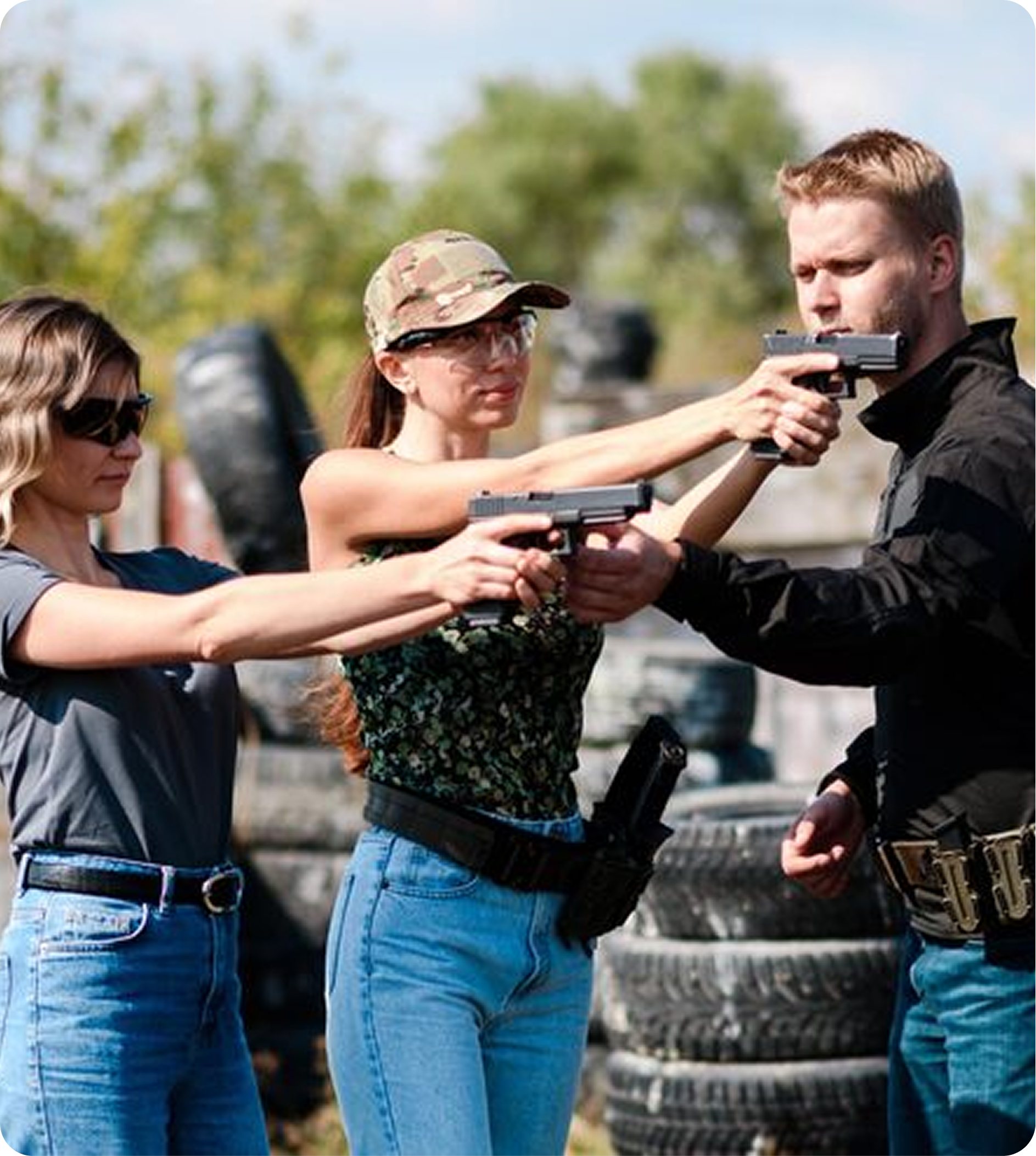
Young children:
“If you see a gun, don’t touch it. Find an adult immediately.”
Older children:
Supervised education removes curiosity and fear
For Guests:
You’re not required to announce ownership. Secure all firearms before guests arrive
Training Turns Anxiety Into Confidence
Owning a firearm without training is like owning a car without learning how to drive.
.png)
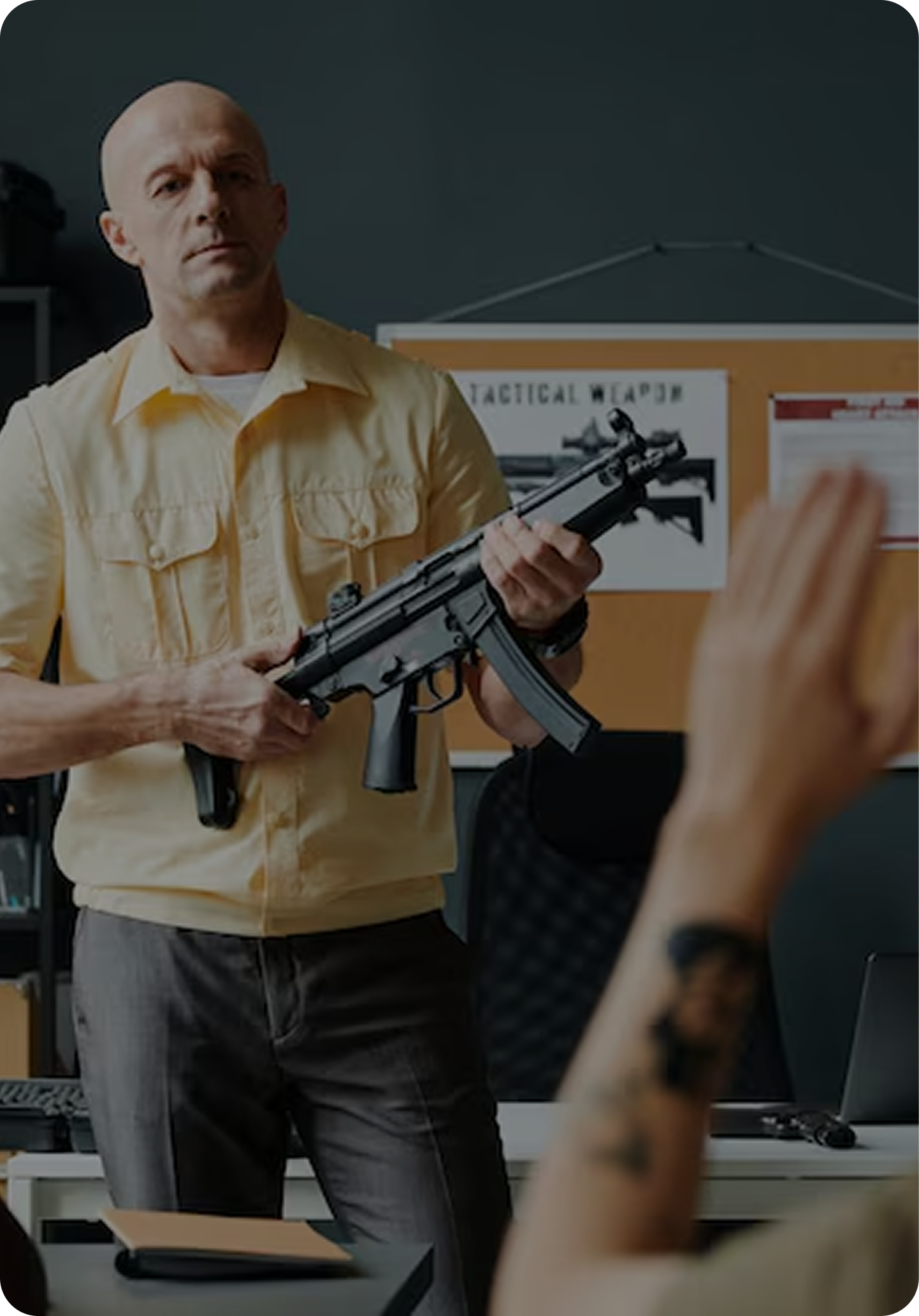
Common Myths About Responsible Gun Ownership
“Guns in the home are inherently dangerous.”
Unsafe practices are dangerous. Responsible storage and training reduce risk dramatically.
“Only experts should own firearms.”
Responsibility is learned. Competence comes through training.
“Owning a gun means you’re looking for trouble.”
Responsible owners focus on prevention, safety, and restraint.
Why FPR Members Emphasizes Responsibility First
FPR Members was built on the belief that families deserve access to protection, education, and fair, transparent pricing — without fear-based messaging or unnecessary complexity.
.png)


.svg)